
Sustainability rollbacks: Budget 2026, Omnibus, and Ireland’s role in EU sustainability
The global landscape
When the European Green Deal was launched in December 2019, it set the tone for the EU to be a world leader in addressing climate change issues. Roll forward to 2025 and the strong regulatory stance of recent years is being noticeably softened. The changes come from a high-pressure political imperative for competitiveness, often referred to as the ‘Omnibus Simplification Package’.
One of the major comparisons. The United States, has seen huge climate change and nature rollbacks in recent months and years, resetting the stage for tackling global warming, climate change, and nature preservation.
The EU moves indicate a broader recalibration of its approach – from that of aggressive EU regulation, to balancing competitiveness and business burden.
It reflects a number of industry-specific and geopolitical pressures including trade partners’ concerns, fears over competitiveness, and lobbying from fossil-fuel linked trades that have influenced climate-related corporate law.
For investors, NGOs, and civil society more widely, the changes may lead to less visibility into corporate environmental impacts, making it more difficult to track compliance, greenwashing or systemic risk.
Coming full circle to where this article started, the moves also raise critical questions about whether the pace of the EU’s ‘Green Deal’ and long-term climate ambitions can be sustained if enforcement and transparency are weakened.
Let's look at Ireland's plan for 2026
In the Budget the Irish Government has allocated €1.1 billion to the Department of Climate, Energy and the Environment in 2026.
What are the main components and how they compre to other EU members?

Transform Ireland's energy systems to be sustainable, affordable and secure: €724 million
Carbon tax rises to €71 per tonne of CO2 emitted, generating an additional €121 million in 2026. This revenue will be spent on social welfare measures and other measures, like fuel poverty prevention, retrofitting, and sustainable farming.
The increased carbon tax places Ireland between higher-taxing countries like Sweden (€134) and Norway (€124), and lower-taxing nations such as Germany and Austria (€55), UK(€21.5), and Poland (€0.09). (Source: Carbon Taxes in Europe, 2025 | Tax Foundation Europe)
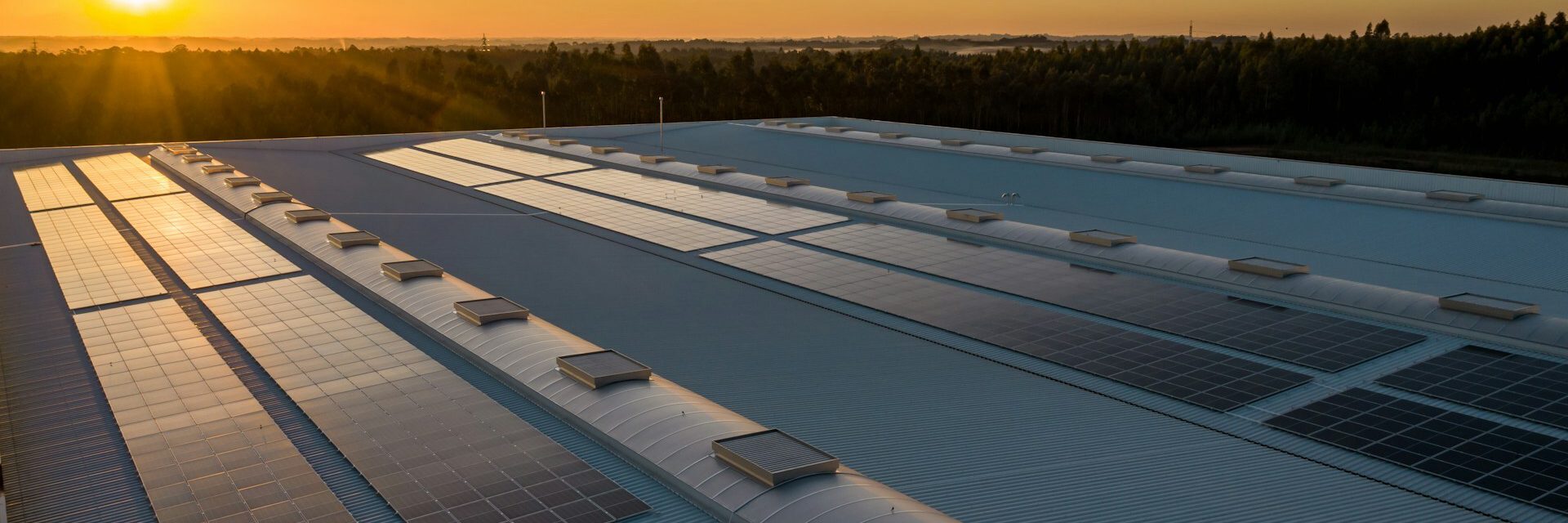
The Irish plan also includes a continued support for solar PV adoption (140,000 households already installed), electric vehicle incentives (VRT relief extended to end of 2026), and low BIK rates for zero-emission cars.
The EU encourages home retrofitting through the Renovation Wave initiative, funding national programs, but Ireland stands out with its target to retrofit 500,000 homes by 2030. Ireland’s incentives also include €5,000 VRT relief, continued BIK reductions, support for home solar and Accelerated Capital Allowances through 2030 - placing it in line with EU peers. Other EU countries offer diverse schemes: Norway reduces VAT on EVs. Belgium, Austria, Netherlands, and Germany offer varying VAT reductions, purchase bonuses, company car perks and tax breaks.

Accelerate climate action and prepare Ireland for the impacts of a changing climate: €209 million
The allocation is aimed to support the achievement of Ireland's national climate objective of transitioning to a climate-resilient, biodiversity-rich, environmentally sustainable climate neutral economy by 2050, with €82 million in funding – under Ireland's EU Just Transition Fund Programme for approved projects – for the wider Midlands region (e.g., rural bus decarbonisation, wetland restoration).
In absolute EU terms, climate and biodiversity funding totals tens of billions annually, but experts note it still falls short of estimated needs.

Protect and enhance our environment and improve the circular and resource-efficient economy: €157 million
Help position Ireland as a leading EU and global force in the transition to a Circular Economy, safeguarding natural resources, the environment, and public health while advancing toward national net-zero goals by 2050.

Conclusion
Ireland is in-line with EU trends. Our carbon tax is moderate-to-high, budget allocation aligns with EU climate goals, and retrofit and EV programs are robust, generally mirroring or exceeding the efforts of peer nations. However, these efforts likely won't be enough to hit our long-term sustainability goals while maintaining competitiveness.
Related content


