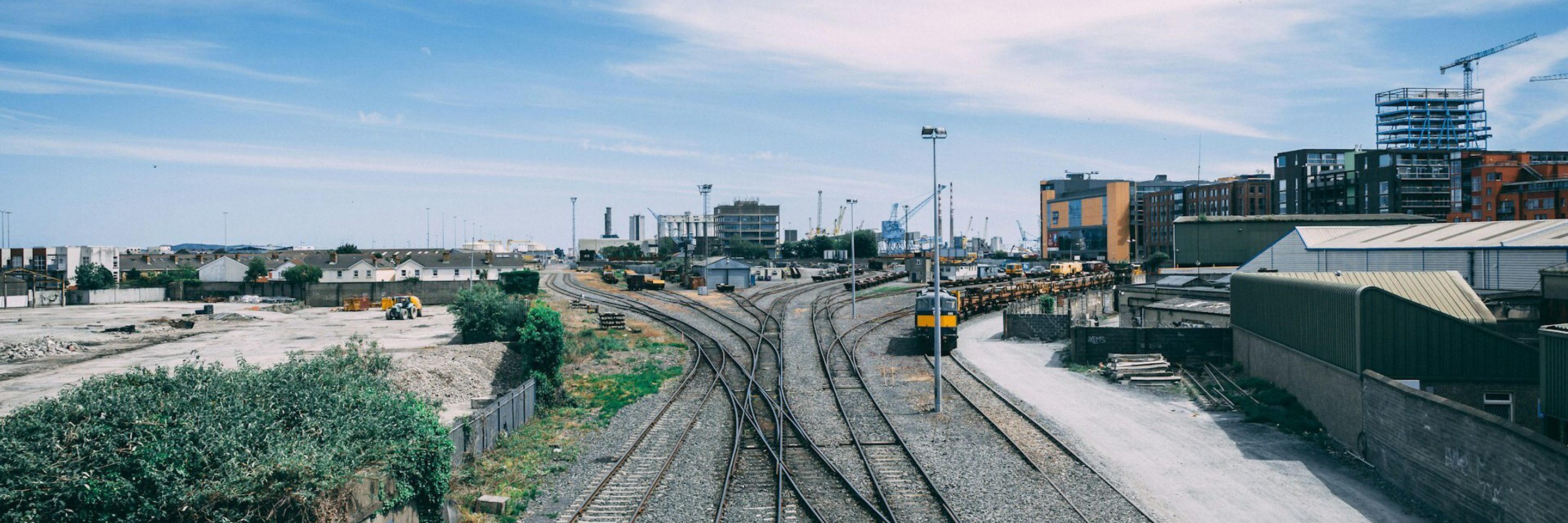
Ireland’s rail and infrastructure drive faces mounting cost and cashflow
Ireland’s rail and infrastructure push is hitting a reality check just as it moves into quote stage. Recent warnings from the construction sector about rising fuel costs and ongoing supply chain disruption are already feeding into higher project costs, greater uncertainty, and a more cautious approach from contractors.
What’s becoming clear is that this isn’t just an engineering or procurement challenge, it’s a financial one. In Ireland, rules like Relevant Contracts Tax can see 20% withheld from payments for construction works. Or Professional Services Withholding Tax for services provided to state or semi-state bodies, affecting many consultants. At a time when costs are rising, those withholding taxes create real cashflow pressure and influence the ability for companies to bid for projects.
There are also added complexities for firms operating across borders. Importing materials or equipment now brings Value-Added Tax, customs requirements, potentially duties, and additional administration, particularly for UK-based supply chains. If those basics aren’t managed properly from the outset, it can quickly eat into already tight margins.
At the same time, large infrastructure projects depend on international workforces, which brings further payroll and compliance obligations that need to be handled carefully for global mobility costs.
Ireland still offers a strong opportunity, with a significant infrastructure pipeline and a competitive business environment, but the focus is shifting to delivery risk. As costs become less predictable, some of that risk is likely to feed through into variable cost contracts with surcharges.
Otherwise, a move towards more open-book or cost-plus type agreements may be the only way some contractors can guarantee margins.
Companies that can manage cashflow, navigate tax and simplify their operating model will be best placed to compete.
In practical terms, tax and financial planning are now key factors in how projects are priced, who participates, and how quickly Ireland can deliver on its infrastructure ambitions.
Ireland’s strong infrastructure pipeline is now navigating a global risk environment that is much more volatile than when these projects were first laid down. The building pressure on costs, capacities, supply chains, and margins make risk modelling, scenario planning and operational resilience a must rather than a nice to have for contractors, project leaders, and decision makers.
Related content