
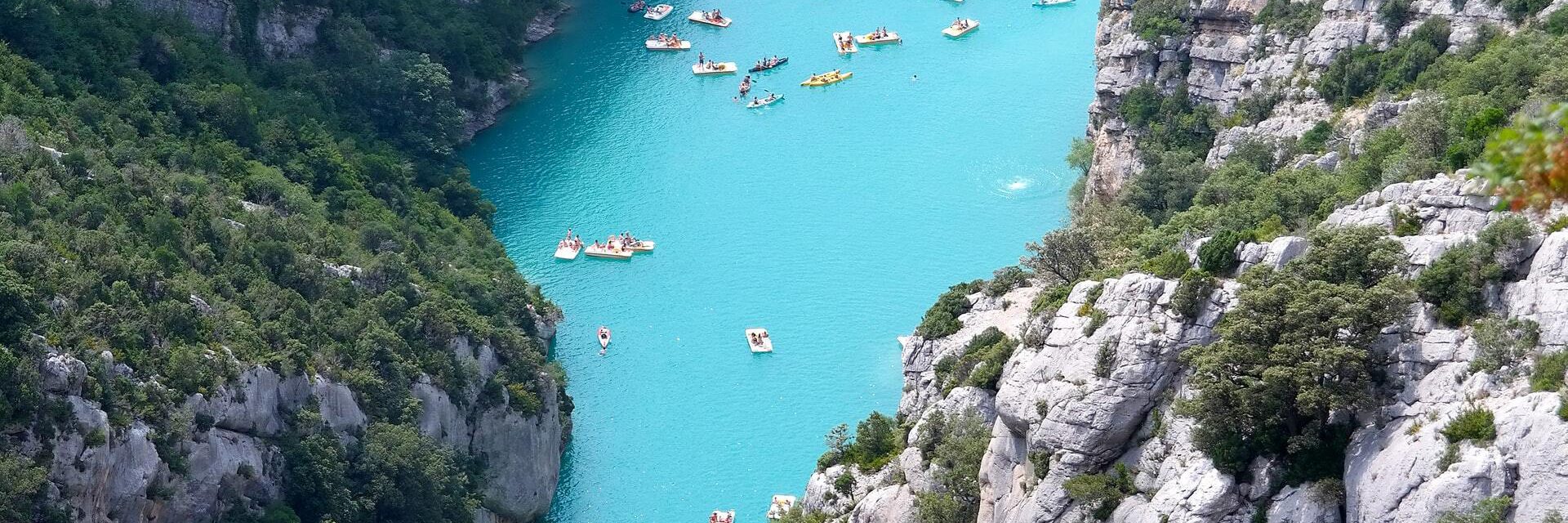
Change that’s as good as rest: How Gen Z and Millenials are changing the future of travel
The holiday market is, to a significant degree, being redefined. The reason is the meteoric rise in activity holidays – trips focused on physical activity, adventure, or immersive experiences rather than passive sightseeing.
In 2024, the global adventure travel market was valued at circa $1.16 trillion (based on total traveller spending on active and experience-led travel), and the ‘activities’ segment of travel experiences is projected to continue growing at 7-8% annually.
Activities can range from hiking to cycling, cookery classes to watersports, and a broad range of other ‘experiences’ in between. This segment rebounded rapidly after the COVID-19 pandemic, expanding from circa $21 billion in 2020 to circa $95 billion by 2025. By 2029 activities are predicted to account for circa 37% of the experiences market.
Industry performance reflects the trend. Tour operators specialising in active travel have grown strongly post-pandemic, with revenues rising in some businesses by as much as 50% versus pre-pandemic levels according to Travel Weekly.
Even where overall traveller numbers have stabilised following the initial post-pandemic surge, revenue continues to grow, indicating sustained demand and willingness to pay for high quality, experience-led travel.
What is behind the change?
Several interrelated factors appear to be driving the trend.

The first is represented by a broader movement away from passive consumption. Travellers are increasingly prioritising ‘doing’ over ‘seeing’, seeking immersive, participatory experiences that create lasting memories. This reflects a deeper cultural change in which experiences are valued more highly than material goods, driven by many factors including the reduction in younger-age home ownership, the rise in renting, the mass-spread of digital commerce, and the movement away from a jobs-for-life culture.

Health and wellbeing have also emerged as important issues. Many travellers now engage in physical activity during holidays and show interest in trips that improve mental health and reduce stress. Rising awareness of health issues, including in the workplace, has almost certainly contributed to the trend. Active holidays, whether hiking, cycling, or yoga retreats, offer both physical benefits and psychological advantages, making them especially appealing in a post-pandemic world where burnout and sedentary lifestyles hold sway.

The pandemic itself is also likely to have accelerated demand for outdoor and nature-based travel. Restrictions on activities and international travel led to many people rediscovering local, outdoor experiences. This appears to have had a lasting effect, normalising activities such as walking holidays, wild swimming, and cycle touring. The continuing popularity of these options indicates a durable behavioural movement.

Demographic and generational changes also appear to be playing an important role. Younger travellers, particularly Gen Z and millennials, seem to be driving demand for adventure and socially engaging experiences. Many will prioritise active, community-oriented trips such as group adventures as a form of personal growth and social connection, almost certainly driven, at least in part, by cultural changes such as the demise of non-digital social interaction opportunities, and even factors such as lower work-interaction opportunities linked to the post-pandemic remote-working legacy. At the same time, older demographics are turning to ‘soft adventure’, broadening the market far beyond traditional thrill-seekers.

Technological and commercial factors are also playing a part in the rise. Put simply, these types of trips are more accessible. Online platforms make it easier to discover and book experiences, while tour operators have diversified their offerings to include a wider spectrum from high-intensity expeditions to low-risk, culturally focused activities.
Is this trend sustainable?
Although the sustainability of active holidays appears to be strong, the segment is not without its challenges, as recent events in the Middle East, with consequent impact on global travel, have evidenced. From a demand perspective the trend is strongly underpinned by health awareness, desire for experiences, and the search for meaning and connection in travel. These are unlikely to reverse, suggesting continued long-term growth.
However, there are some signs of maturation. Following the initial post-pandemic growth, the sector appears to be entering a period of stabilisation, with growth continuing at a more measured pace. This may indicate that active holidays are transitioning from rapid expansion to a more stable, embedded travel market segment.
Environmental sustainability also presents both an opportunity and a risk. Active travel can be aligned for some with eco-conscious values, including small-group tours, local engagement, and nature-based activities. However, increased demand can place additional pressure on fragile environments. The industry’s long-term viability in this particular area will depend on how effectively it manages issues such as over tourism, carbon emissions, and conservation.
Economic factors are also likely to play a critical role in the future of the segment. Active holidays can be expensive, and while some travellers are willing to pay a premium, economic downturns could flatten demand. Having said that, so far travellers appear to be prioritising meaningful experiences, even at higher cost, which may insulate the sector to some degree against volatility.
Looking forward to an active future
Looking forward, active holidays are likely to evolve in a number of ways. One important aspect is the broader definition of ‘active’. While traditional adventure activities are still popular, there appears to be growing demand for hybrid experiences that might combine physical and cultural activity, or be centred on culture, food, learning or interests.
The rise in ‘soft adventure’ and inclusivity is also important, particularly amongst older travellers. As the market continues to expand, offerings are becoming more accessible to a wider range of ages, fitness levels, and interests. This democratisation of active travel is likely to drive further growth.
Driven by economic and time-pressure issues, at least to some degree, shorter, more frequent active breaks are likely to increase, especially amongst time-constrained urban professionals. These trips align with broader lifestyle changes, including remote working, the so-called gig economy, and flexible schedules.
Technology will almost certainly continue to mould the sector. Personalised itineraries, AI-driven recommendations, and wearable fitness trackers can all enhance the active holiday experience, making it more tailored, measurable and personal.
It seems the rise in active holidays reflects a deeper transformation in both culture and travel, from passive consumption to active participation, and from relaxation alone to wellbeing and personal growth. Market growth, changing consumer preferences, and post-pandemic behavioural changes all support the trend. While challenges remain, particularly concerning sustainability and economic conditions, the underlying drivers appear to be increasingly embedded, suggesting active holidays are not merely a trend, but a defining feature of the future of travel.
Related content


